
What Causes Knee Pain?
And What Actually Helps
Knee pain is common and can have many causes.
It can occur suddenly after an injury or gradually over time without an obvious cause.
Knee pain is more common if you’ve had a previous injury, but it can also be caused by how the knee is loaded in daily activities or sports.
More About Knee Pain…
Knee pain can be caused by:
- Muscle weakness or imbalance around the core, hips, thighs, or calves
- Sudden increases in activity or training load
- Reduced joint mobility or stiffness in your hip, knee or ankle
- A previous injury that hasn’t fully recovered
- Repetitive activities such as running, skiing, squatting, or kneeling
Pain may be felt at the front of the knee, around the kneecap, along the inside or outside of the joint, or deep within the knee. Symptoms can include aching, sharp pain with certain movements, stiffness, swelling, or pain going up or down stairs.
What helps knee pain?
- Relative rest can help in the early stages. This means reducing activities that increase pain, rather than stopping all movement
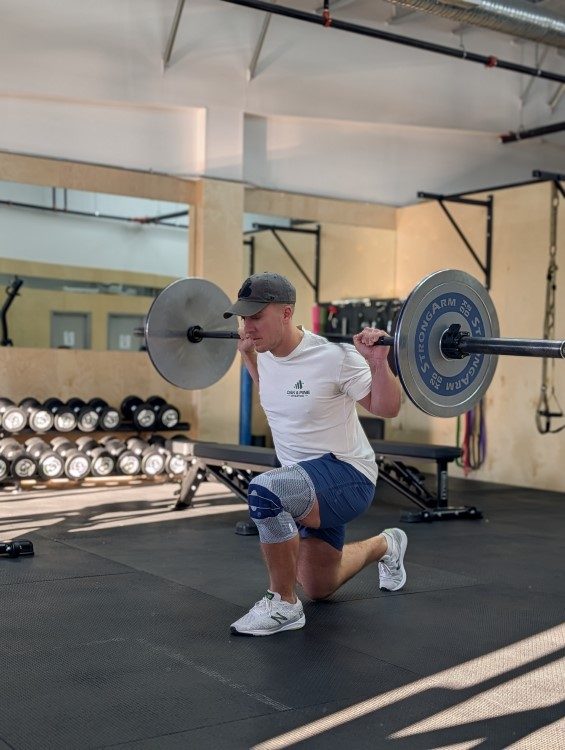
- Gradual movement and exercise are important for recovery because too much rest can lead to weakness and stiffness
- Strengthening the muscles around the knee and hip often reduces pain by improving how forces are absorbed through the joint
- Managing training or activity load (how much, how often, and how hard you’re doing things) is often more important than any single exercise
- Short-term pain relief strategies, such as ice or anti-inflammatory medication, may help manage symptoms but are rarely the long-term solution
When to seek help
You may benefit from seeing a sport medicine doctor or physiotherapist if:
- Knee pain lasts for more than a couple of weeks
- Pain or swelling is getting worse rather than better
- The knee feels unstable, gives way, or locks
- Pain is limiting work, sport, or daily activities
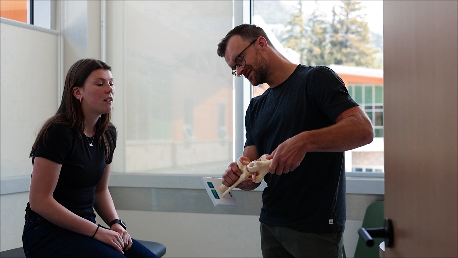
A physiotherapist can assess how your knee moves and is loaded, identify contributing factors, and guide a targeted rehabilitation program. This approach focuses on improving strength, movement, and confidence so you can return to activity safely and reduce the risk of ongoing or recurrent knee pain.
Some final words…
Some discomfort doesn’t always mean injury or damage.
Staying active in a way that feels manageable and enjoyable is one of the best things you can do for your overall health.
If pain is limiting your activity or confidence, support from an allied health professional can help you stay active safely.
