
Returning to Work After an Injury
An injury can affect much more than your physical health. Being unable to work can create financial stress, disrupt your daily routine, affect your mental wellbeing, and leave you feeling disconnected from your workplace and community.
For many people, returning to work is an important part of getting back to normal life. However, knowing when and how to return can be challenging. You may wonder whether you’re physically ready, how much you can safely do, or whether returning to work could affect your recovery.
The good news is that returning to work doesn’t necessarily mean waiting until you’re completely recovered. With the right support, planning, and gradual adjustments to your duties, many people can safely return to some level of work while continuing their rehabilitation.
Here are four important considerations to help you plan your return to work.

Understand your recovery & set realistic expectations
Every injury and recovery journey is different. Understanding your injury, expected recovery timeline, and any limitations can help you make informed decisions about returning to work.
Having realistic expectations about recovery is important. Research suggests that people’s expectations about their recovery can influence their return-to-work outcomes. Understanding that recovery may take time, and that progress isn’t always linear, can help you prepare for the challenges along the way.
It’s also important to remember that experiencing some discomfort or limitations doesn’t automatically mean you’re not ready to return to work. Your healthcare team can help you understand what activities are appropriate and how to safely increase your activity as you recover.
Develop a return to work plan with your healthcare team
Returning to work after an injury is not something you have to figure out on your own. Your healthcare team can help you understand your physical capabilities, identify any limitations, and develop a plan that supports your recovery.
Depending on your injury and job requirements, your team may include your physician, physiotherapist, kinesiologist, or strength and conditioning coach. They can help answer questions such as:
- What activities can I safely perform right now?
- Are there any movements or tasks I should temporarily avoid?
- Would modified duties or shorter shifts help me return safely?
- How should I progress my work activities as I get stronger?
If your injury occurred at work and you have a Workers’ Compensation Board (WCB) claim, a case worker may also help coordinate communication between you, your employer, and healthcare providers.
A successful return-to-work plan considers both your recovery needs and the requirements of your job. It should also be flexible enough to change as your abilities improve.

Start gradually with modified duties and hours
Returning to work doesn’t have to mean immediately resuming your regular schedule or responsibilities. In many cases, a gradual return can help you rebuild your work capacity while continuing your rehabilitation.
Depending on your injury and workplace, modifications may include:
- Reduced hours: Starting with shorter shifts or fewer days per week.
- Modified duties: Temporarily avoiding tasks such as heavy lifting, repetitive movements, or prolonged standing.
- Additional breaks: Allowing time to rest or change positions throughout the day.
- Gradual progression: Slowly increasing hours, responsibilities, and physical demands as your recovery progresses.
Research has found benefits associated with early return to work for some injuries, including acute lower back pain. However, the appropriate timing and level of activity will vary depending on your injury, recovery, and job requirements.
The goal is to find a balance that allows you to remain engaged in work without compromising your recovery. Regular communication with your employer and healthcare team can help ensure that your duties are appropriate and can be adjusted as needed.
Prepare for the physical demands of your job
Not all jobs place the same demands on your body. Returning to an office job may involve prolonged sitting, computer work, and navigating stairs, while physically demanding occupations may require lifting, carrying, climbing, kneeling, or working on uneven surfaces.
Your rehabilitation should consider the specific movements and physical demands you’ll encounter throughout a typical workday.
For example:
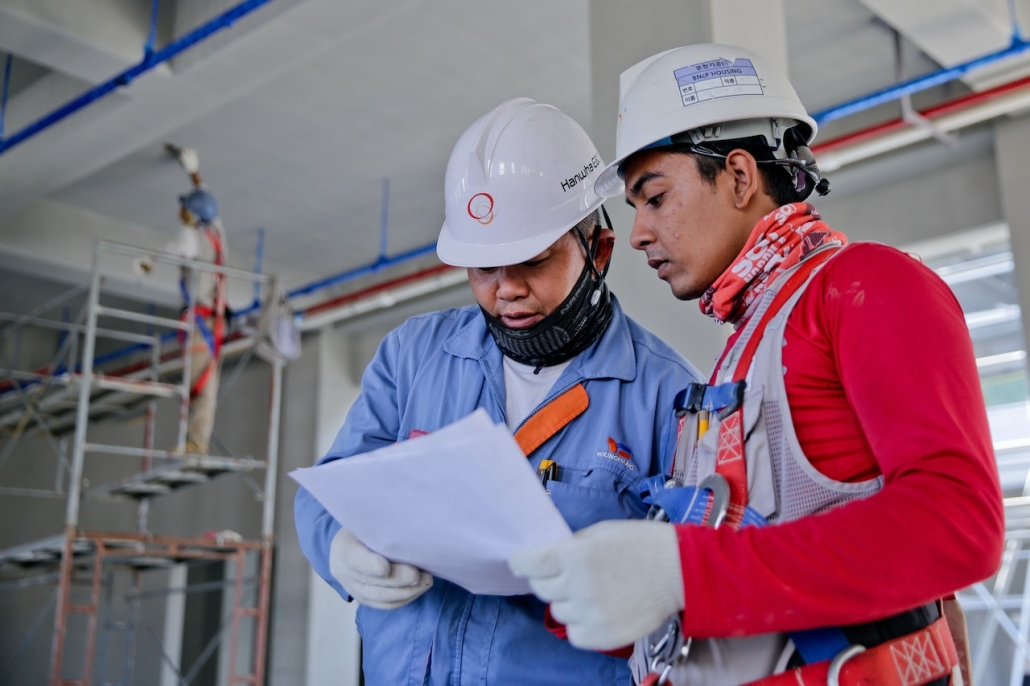
- Trades and construction: Carrying heavy materials, climbing ladders, kneeling, and working in awkward positions.
- Restaurant and hospitality: Standing for long periods, carrying trays, lifting supplies, and performing repetitive movements.
- Waste management and equipment operation: Climbing in and out of vehicles, pulling, pushing, operating equipment, and prolonged sitting.
A physiotherapist or kinesiologist (strength & conditioning coach) can help identify the physical requirements of your job and develop an individualized rehabilitation program to prepare you for these activities.
The goal is not simply to recover from your injury, but to rebuild the strength, mobility, endurance, and confidence needed to safely perform your regular work responsibilities.
Returning to work after an injury is a process, not a single event. With realistic expectations, support from your healthcare team, and a gradual approach to rebuilding your work capacity, you can work toward returning safely and confidently.
Remember, you don’t have to wait until you’re completely recovered to start planning your return. The right rehabilitation and workplace support can help you get back to the work, activities, and lifestyle that matter to you!
